
Ghana’s Political parties’ delegate systems scrapped by Supreme Court.
Ghana's Political parties' delegate systems scrapped by Supreme Court.

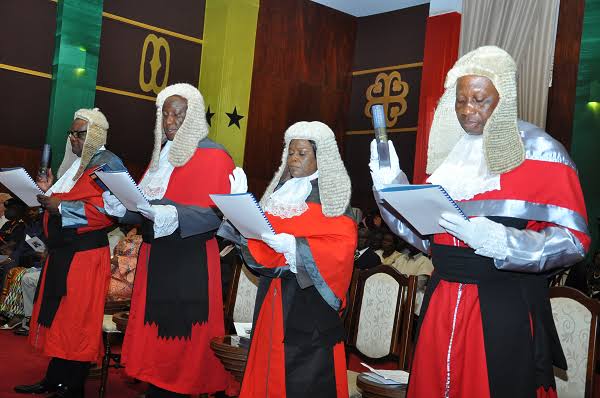
In a historic, far-reaching judgment, Ghana’s Supreme Court has struck down the traditional delegate-based electoral college systems utilized by political parties to elect their presidential and parliamentary candidates.
The 5-2 majority ruling declared that restricting candidate selection to a small pool of party delegates violates Article 55(5) of the 1992 Constitution, which mandates that the internal organization of political parties must conform to democratic principles.
Key Orders from the Court
Universal Suffrage: The apex court ruled that all active, registered, card-bearing party members must have the right to vote in primaries.
12-Month Ultimatum
Political parties have been given exactly one year to overhaul their constitutions and transition to a direct “one member, one vote” system.
EC Oversight
The Electoral Commission (EC) has been directed to supervise the registration of party members and ensure full compliance with the new rules.

No Retrospective Effect
To prevent national instability, the ruling does not invalidate past elections or the positions of officials elected under the old system.
Background and Structural Impact:
The lawsuit, championed by prominent political figures including Prof. Kwabena Frimpong-Boateng and Dr. Nyaho Nyaho-Tamakloe, argued that the delegate system fueled monetization and vote-buying in Ghanaian politics.
While civil society organizations have hailed the decision as a victory for grassroots democracy, major parties like the National Democratic Congress (NDC) and New Patriotic Party (NPP) face a massive logistical and financial hurdle to register and mobilize millions of voters for future internal primaries.
The Supreme Court is expected to file its full, detailed written judgment by August 5, 2026.