
Mfanteman, Pokukrom, others Abandon Sachet Water for Bottled Water Due to Galamsey Activities
Mfanteman, Pokukrom, others Abandon Sachet Water for Bottled Water Due to Galamsey Activities


A severe public health panic has hit farming and cocoa-growing communities along the Central Region’s river basins, forcing residents of Meretweso, Pokukrom, Achiase, and Mfanteman to entirely abandon affordable sachet water for premium bottled water.
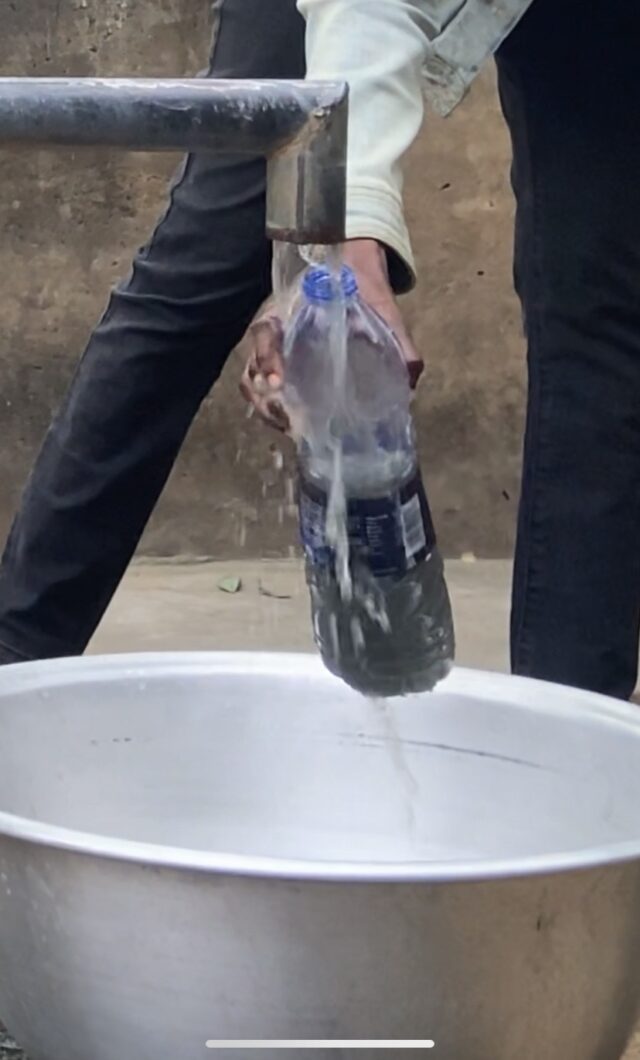
The drastic shift comes amid growing fears of heavy metal poisoning. Residents report that local sachet water brands, which rely on local underground boreholes, have begun showing visible discoloration and emitting a strange, metallic chemical odor.
The pollution is directly linked to an unprecedented surge in illegal small-scale mining (galamsey) upriver. Mining operators are using heavy machinery to wash gold ore directly in the water tables that feed local wells.
Voice from Meretweso: “Our Children Are Paying the Price”
In Meretweso, a community heavily impacted by the degradation of local aquifers, mothers are leading the rejection of local sachet water.
“For years, we trusted the local sachet water because our boreholes were clean. But over the last few months, if you leave a bag of sachet water standing for two days, a thick, oily film forms at the top.
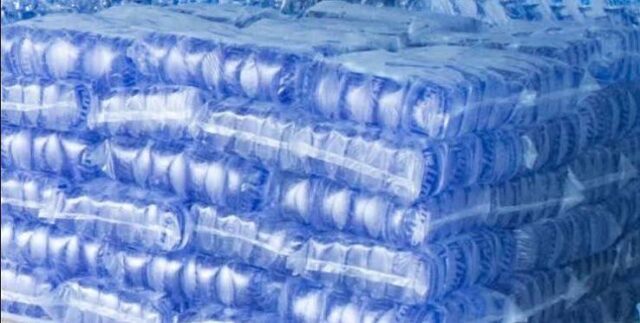
My youngest son developed persistent stomach pains and rashes after drinking it. I had to stop buying it immediately. Now, I spend over GHS 50.00 a week on boxes of bottled water just for drinking. We are cocoa farmers; we don’t have this kind of money, but what choice do we have? It is either we buy bottled water, or we bury our children,” Maame Akua Serwaa, a 42-year-old Cocoa Farmer & Mother of four.
Voice from Pokukrom: “The Mining is Right Behind Our Schools and clinic”
The crisis in Pokukrom is compounded by the proximity of illegal mining pits to public infrastructure, including active galamsey operations running directly behind the local basic school and clinic.
Opanin Kwame Mensah, a 55-year-old native of the town, has this to say: “The situation here is a nightmare. The galamsey operators have dug huge pits right behind the M/A Basic School. The chemicals they use, including mercury, and is seeping straight into the ground.
The local water tables are completely compromised. Even the sachet water manufactured within this municipality tastes bad, and so we no longer trust it. We are all drinking bottled water in this village now. If you drink the local water here, you are voluntarily taking poison.”
Voice from Achiase: “The Sachet Producers Can’t Filter the Chemicals”
In Achiase, local retail businesses are feeling the immediate financial shock wave of the water contamination.
“My shop used to sell twenty to thirty bags of sachet water every single day. Today, those bags just sit there gathering dust. People come in and demand bottled water only. I have stopped stocking local sachet brands altogether because no one in Achiase wants to risk kidney failure.” Eno Bonsu, 51, Provision Shop Owner
Voice from Mfantseman: “We Are Completely Surrounded”
Residents in Mfantseman report that the destruction has expanded beyond the water tables, cutting off access to the very agricultural lands that sustain them.
“We are surrounded by galamsey pits. Our youth have abandoned the cocoa farms for quick cash in the pits, and the outsiders have brought in machines that have turned the Pra River into mud. We used to bathe and drink from our streams. Today, you cannot even step near them. Sachet water was our backup, but now that the chemicals have reached the deep boreholes, bottled water is our only shield. The government announces task forces on the radio, but on the ground here, we see no one fighting for us. We are being slowly poisoned while the authorities look the other way.” Nana Kofi Ofosu, 63, Community Elder
A Looming Public Health Disaster
Public health officials tracking the region have confirmed that the fears of the residents are entirely justified. The unregulated use of mercury in upriver galamsey operations means that long-term consumption of contaminated water leads to irreversible organ damage, neurological disorders, and severe birth defects.
As the communities of the Upper Denkyera belt continue to spend their dwindling agricultural revenues on bottled water, the economic and physical survival of these historic cocoa-growing enclaves remains under direct threat.