
Safe water, proper sanitation, and good hygiene are not merely social amenities; they are essential investments in human capital – NDPC DG
Safe water, proper sanitation, and good hygiene are not merely social amenities; they are essential investments in human capital - NDPC DG

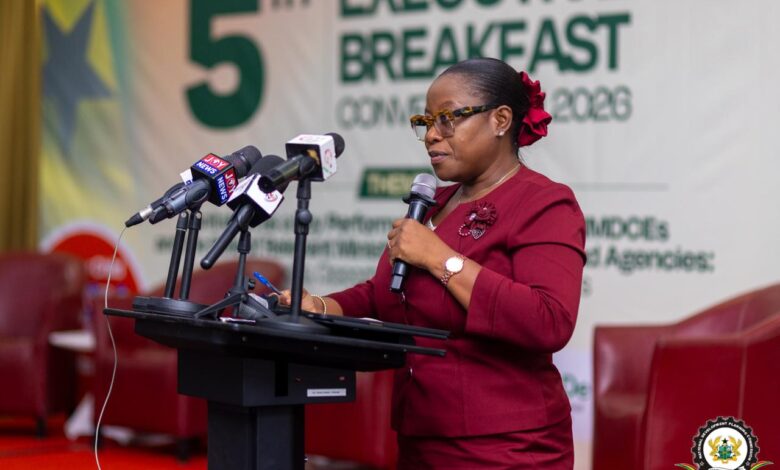
The Director-General (DG) of the National Development Planning Commission (NDPC) in Ghana, Dr. Audrey Smock Amoah, has argued that safe water, proper sanitation, and good hygiene are not simply social amenities; they are essential investments in human capital, productivity, and resilience.
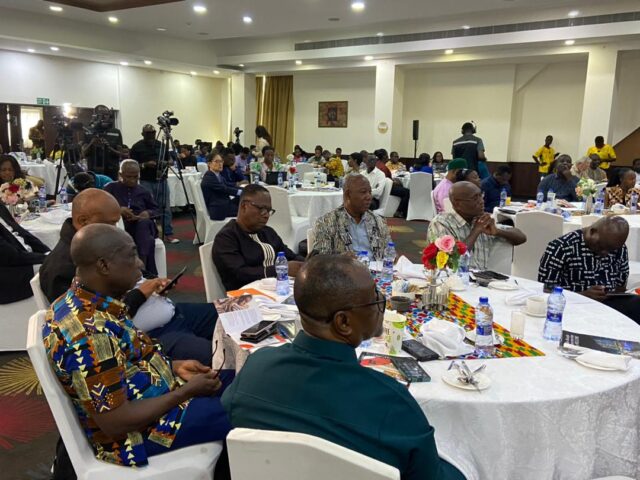
Addressing participants at the 5th Executive Breakfast Conservation organised by World Vision Ghana in Accra, Dr. Smock Amoah maintained that advancing issues of Water, Sanitation, and Hygiene (WASH) is both a development necessity and a moral imperative; without it, no community can thrive, and no nation can sustain progress.
“Today, sanitation is rightly receiving greater prominence within Ghana’s local governance architecture.
The decision to incorporate sanitation indicators into the performances assessment of Metropolitan, Municipal and District Chief Executives (MMDCEs) and also in the Performance Contracts of MMDAs reflects an important recognition that sanitation outcomes are directly linked to leadership, accountability, and effective service delivery.
It also signals a broader understanding that achieving national WASH objectives requires strong local ownership, coordinated action among relevant Ministries, Departments and Agencies, and measurable results that improve the well-being of citizens,” she stated.
According to her, the District Assemblies Common Fund (DACF) Utilisation Guidelines, has ring‑fenced 20 percent of allocations for WASH – 10 percent for potable water and 10 percent for environmental sanitation.
This dedicated financing, Dr. Smock Amoah explained is designed to eradicate water poverty, expand safe drinking water access in rural and marginalised communities, and further accelerate progress toward open defecation free (ODF), while closing persistent public health and waste management gaps.
Below is the full address by Dr. Smock Amoah
Opening Remarks Delivered on: 23rd June 2026
Venue: Alisa Hotel
Salutation
The Hon. Minister for Finance or Representative
The Hon. Minister for Local Government, Chieftaincy & Religious Affairs
Hon. Members of Parliament
The Executive Secretary, Office of the National Chief Imam
The National Director of World Vision Ghana
Development Partners
Heads of NGOs and CSOs
CEOs and Managing Directors of Corporate Ghana
Reps of Academic and Research Institutions
The Child Sanitation Diplomat
Our dear school children and teachers
Friends from the Media
Distinguished Guests
Ladies and Gentleman
Opening
Welcome to the 5th Executive Breakfast Conversation on Sanitation themed: “Sanitation as a Key Performance Indicator for MMDCEs and the Role of Relevant Ministries, Departments and Agencies – Prospects, Opportunities and Constraints.
I am honoured to address this important gathering. We meet at a pivotal moment in Ghana’s development journey, as we pursue accelerated economic transformation, improved public health, and environmental sustainability. In this effort, Water, Sanitation and Hygiene (WASH) stand as one of our national priority targets in our SDG Transformation Commitment – that is Target 6.2, which calls for universal access to adequate and equitable sanitation and hygiene by 2030.
Safe water, proper sanitation, and good hygiene are not simply social amenities; they are essential investments in human capital, productivity, and resilience. For Ghana, advancing WASH is both a development necessity and a moral imperative, without it, no community can thrive, and no nation can sustain progress.
Today, sanitation is rightly receiving greater prominence within Ghana’s local governance architecture. The decision to incorporate sanitation indicators into the performances assessment of Metropolitan, Municipal and District Chief Executives (MMDCEs) and also in the Performance Contracts of MMDAs reflects an important recognition that sanitation outcomes are directly linked to leadership, accountability, and effective service delivery. It also signals a broader understanding that achieving national WASH objectives requires strong local ownership, coordinated action among relevant Ministries, Departments and Agencies, and measurable results that improve the well-being of citizens.
Again, the District Assemblies Common Fund (DACF) Utilisation Guidelines, has ring‑fenced 20 percent of allocations for WASH – 10 percent for potable water and 10 percent for environmental sanitation. This dedicated financing is designed to eradicate water poverty, expand safe drinking water access in rural and marginalised communities, and further accelerate progress toward open defecation free (ODF), while closing persistent public health and waste management gaps.
The question, therefore, is how do we translate this momentum into measurable results?
This operational milestone provides real hope for effective implementation of WASH priorities embedded in all MMDAs’ Medium‑term Development Plans (2026–2029), based on the Resetting-Ghana Agenda: Creating job, Ensuring accountability and Promoting Shared Prosperity, which kstrongly aligns with the 2030 Agenda for Sustainable Development and the AU Agenda 2063 Second Ten-Year Implementation Plan. Looking further ahead, the Ghana Infrastructure Plan (2018–2047) envisions transformative outcomes: 99 percent of households relying on piped water as their primary source, non‑revenue water reduced to 10 percent, and safe sanitation accessible to 95 percent of the population.
Attaining Ghana’s ambitious WASH targets requires that persistent challenges be tackled collectively in the short, medium to long-term.
These challenges include an increase in rural-urban migration that strains infrastructure, high levels of non‑revenue water, open defecation and poor sanitation practices, weak enforcement of sanitation bye‑laws, climate‑related flooding, limited behavioural change, and capacity gaps at the local government level.
Against this backdrop, allow me to propose five priorities to guide our collective efforts:
- Elevate WASH as economic infrastructure. Water and sanitation must be treated not as social expenditures, but as productive assets – central to industrialisation, climate resilience, food systems, and energy transitions.
- Move from fragmented approaches to integrated planning. Shared resources must become shared opportunities. Water, energy, food, ecosystems, and climate systems are deeply interconnected, and our policies, investments, and institutions must reflect this reality.
- Strengthen WASH reforms and enforce sanitation bye‑laws. Compliance and accountability are essential to ensure that investments translate into real improvements in service delivery and public health
- Scale up financing and partnerships. Innovative financing mechanisms, stronger private sector engagement, and sustained collaboration with civil society and development partners are needed to close gaps and sustain interventions.
- Enhance monitoring and evaluation. We must track progress rigorously, speak with one voice, and make evidence‑based results the foundation of our collective strategy.
Ultimately, it is how we prioritise, mobilise, hold ourselves accountable that will determine whether Ghana achieves its WASH targets to secure a healthier and more resilient future for all citizens
In closing, I wish to express my sincere appreciation to World Vision and all our partners for your tireless efforts in prioritising WASH through platforms such as this. Your commitment continues to strengthen Ghana’s collective resolve to achieve our targets.
As we deliberate in this 5th Executive Breakfast Conversation on Sanitation, it is my prayer and hope that the critical areas we discuss today will inspire us to accelerate the implementation of WASH components in our medium‑term development plans at both district and sector levels.
Together, let us ensure that safe water, adequate sanitation, and hygiene practices become the lived reality of every Ghanaian household – building healthier communities, stronger economies, and a more resilient nation.
Thank you for your kind attention.