
WHO admonishes Ghana to improve water, sanitation in health facilities for maternal, neonatal health
WHO admonishes Ghana to improve water, sanitation in health facilities for maternal, neonatal health

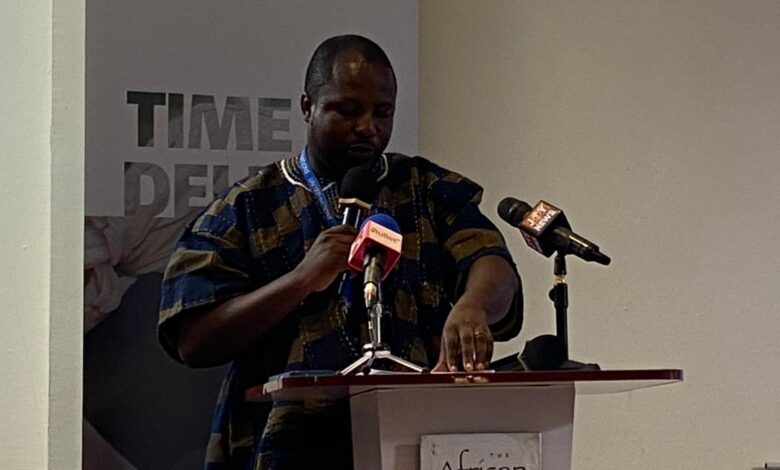
A World Health Organization (WHO) official has urged the government of Ghana to increase investments to quicken the pace of providing water, sanitation, and hygiene (WASH) facilities in healthcare facilities to improve maternal health and neonatal outcomes.
WHO technical officer for Ghana, Mr. George Atiim, made the call during the launch of WaterAid Ghana’s “Time to Deliver” campaign, a charity initiative to advocate for improved WASH services in health facilities.
“WHO estimates that improving water, sanitation, and hygiene services could save up to 1.4 million lives each year,” the official said, adding that most of these lives will be saved through the reduction in maternal and neonatal sepsis-related death, reducing antimicrobial resistance, as well as responding to outbreaks and emergencies.
Despite ongoing efforts, the current progress suggests Ghana would not be able to meet universal access to WASH services in health facilities by 2030, with the poorest and most vulnerable populations, including women and children, affected disproportionately, Mr. Atiim noted.
“Our actions and investments must ensure equity in access and the delivery of gender-responsive and disability-inclusive and climate change-resilient WASH services that leave no one behind,” he said.
Mr. Atiim pledged WHO’s support for the government and the advocacy project by WaterAid Ghana to ensure that finances and investments are directed toward this purpose and strengthen the capacities of the health and allied workforce for improved service delivery and health outcomes.