Ashaiman MCE Sounds Alarm Over Open Defecation as Ghana Launches World Toilet Day
Ashaiman MCE Sounds Alarm Over Open Defecation as Ghana Launches World Toilet Day

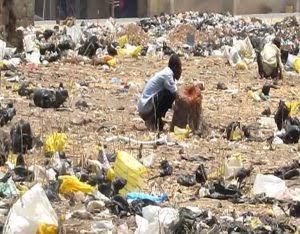
The Municipal Chief Executive (MCE) for Ashaiman Municipality in the Greater Accra Region, Mr. Freeman Tskepo, has issued an urgent plea to landlords and residents to invest in household toilets, warning that persistent open defecation continues to threaten public health and the municipality’s development.
The impassioned call came during the national launch of the World Toilet Day commemoration held at Safisana’s waste treatment facility in Ashaiman. The event is aimed at accelerating action to tackle the global sanitation crisis.
Speaking at the gathering, the MCE expressed deep concern over the number of homes in the densely populated municipality that still lack basic sanitation facilities.
“We cannot continue to build houses without toilets and expect our communities to be healthy. Open defecation is not just an eyesore; it is a direct threat to our children’s health, our environment, and our dignity. Every landlord must take responsibility and invest in a household toilet,” the MCE stressed.
Sanitation officials at the launch echoed the MCE’s sentiments, noting that while public toilets serve as a temporary measure, sustainable sanitation depends on individual households owning private facilities.

They highlighted that poor sanitation remains a leading cause of preventable diseases such as cholera and typhoid in urban centres.
The MCE also disclosed that the Assembly was pursuing more sustainable approaches to waste management through waste segregation and recycling as part of efforts to improve environmental sanitation.
To help residents meet this requirement, the Municipal Assembly reaffirmed its commitment to collaborating with private sanitation providers and financial institutions to offer affordable, flexible payment plans for toilet construction.
However, Mr. Tskepo warned that the Assembly would soon intensify inspections and strictly enforce sanitation bylaws against defaulting landlords who refuse to provide facilities for their tenants.
Earlier, WASH Technical Advisor at the Office of the President, Ing. Michael Forson, who represented the Deputy Minister of Local Government, Chieftaincy and Religious Affairs, commissioned ten completed boreholes constructed by the Ashaiman Municipal Assembly for selected schools in the municipality.
The intervention is expected to improve access to safe water in beneficiary schools, strengthen hygiene practices and provide a healthier learning environment for pupils and teachers.
The commissioning formed part of activities marking the launch of the World Toilet Day commemoration and highlighted the importance of integrating access to safe water with sanitation and hygiene interventions in schools.
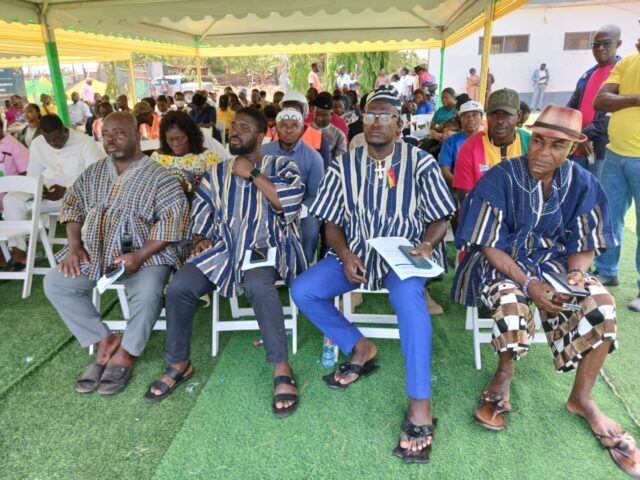
Speaking on behalf of the Deputy Minister, Ing. Forson highlighted the government’s commitment to improving sanitation delivery through sustainable infrastructure, private sector participation and gender-responsive interventions.
He emphasised the need to move beyond conventional approaches to sanitation and embrace innovative solutions that address the entire waste management chain, from access to toilet facilities and safe waste collection to treatment and resource recovery.
He also underscored the importance of recognising sanitation as an avenue for economic empowerment, particularly for women and vulnerable groups who are often disproportionately affected by inadequate sanitation services.
Ing. Forson stressed that improving access to safe and hygienic toilet facilities was critical to protecting public health, preserving human dignity and creating economic opportunities within communities.
The national theme, “From Open Defecation to Open Opportunity Through the Gender Lens,” provided an opportunity to rethink sanitation challenges and explore how investments in the sector could generate employment, support livelihoods and promote inclusive development.
A major highlight of the commemoration was Safisana’s waste treatment model, which converts human and organic waste into organic fertiliser and renewable electricity through anaerobic digestion technology.
Managing Director and Founder of Safisana, Aart van den Beukel, highlighted the company’s contribution to sustainable sanitation and the circular economy, presenting figures on its waste treatment operations and the economic opportunities generated by the facility.
According to figures presented by Mr van den Beukel, Safisana has processed more than 70,000 tonnes of organic and faecal waste over the past eight years through its treatment facilities in Ashaiman and Kumasi, equivalent to approximately 7,000 truckloads.
The operations reportedly serve more than 65,000 people annually and have created over 200 green jobs.
He also disclosed that the company had produced more than 335,000 bags of organic fertiliser, which supports agricultural production and efforts to restore nutrient-depleted soils.
The waste treatment process involves collecting faecal sludge from public toilets and organic waste from markets, abattoirs and food-processing industries for processing through anaerobic digestion.
The process generates renewable energy, while the residual materials are further processed into nutrient-rich organic fertiliser for agricultural use.
The initiative demonstrates how waste, often considered an environmental and public health burden, can be converted into valuable resources to support agriculture, energy production and employment.
Participants subsequently toured the Safisana facility, where they observed the anaerobic digestion plant, finished organic compost, and other stages of the waste treatment process.
Schoolchildren also participated in educational demonstrations aimed at promoting sanitation awareness and responsible waste management practices.
The Ashaiman event forms part of activities leading to Ghana’s national World Toilet Day commemoration scheduled for November 19, 2026.
World Toilet Day is observed annually on November 19 to raise awareness of the global sanitation crisis and advocate universal access to safe, accessible and sustainable sanitation facilities.
The event renewed calls for increased investment in household toilet facilities, improved access to safe water in schools, stronger public-private partnerships and innovative waste management systems to address open defecation and improve sanitation services across Ghana.