
21-Year-Old Activist, 14-Year-Old Schoolgirl Take Over as UNICEF Ghana OIC, Plan International Ghana Country Director to Mark International Day of the Girl

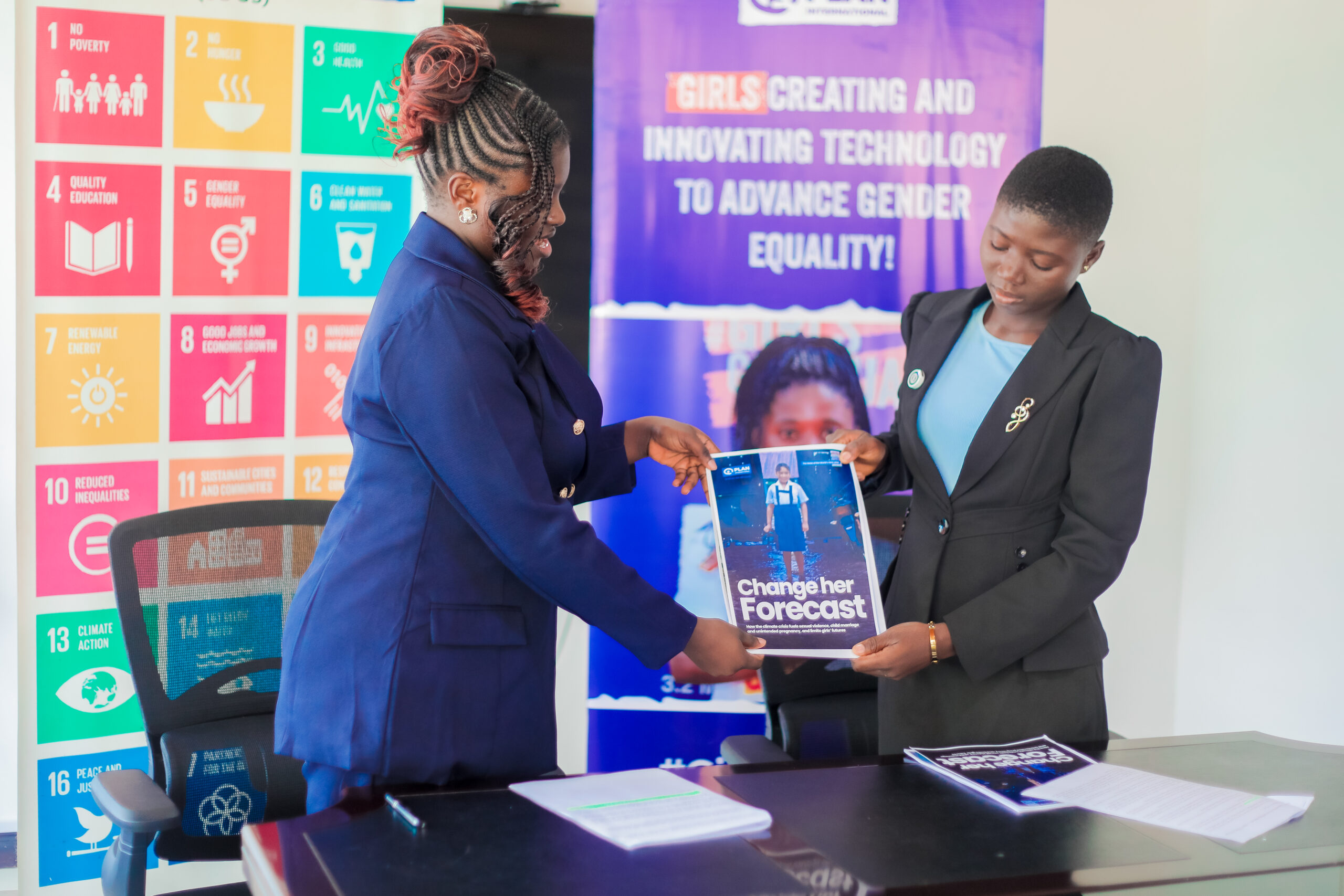
As part of activities to mark the International Day of the Girl Child, two young Ghanaian girls assumed top leadership roles at UNICEF Ghana and Plan International Ghana, while eight other children joined strategic discussions, calling for increased investment in girls and stronger action to end child marriage.
21-year-old youth activist Juliet Dede Gberbi and 14-year-old Priscilla Amoadzah, a student of Tafi Mador D/A Junior High School (JHS), stepped into the roles of Officer-in-Charge (OIC) at UNICEF Ghana and Country Director of Plan International Ghana, respectively.
The symbolic leadership takeover held on 13th October, 2026 sought to challenge discrimination, amplify girls’ voices and promote their participation in decision-making spaces where they are often underrepresented.
Known as the Girls’ Takeover, the global initiative creates opportunities for girls to occupy influential leadership positions, engage directly with decision-makers and demonstrate their capacity to contribute to meaningful social change.
By stepping into the shoes of organisational leaders, Juliet and Priscilla highlighted the importance of investing in girls’ education, health, protection and leadership development to advance gender equality and sustainable development.
During their time in office, the young leaders participated in strategic meetings, engaged with programme heads and discussed targeted policy interventions to address challenges affecting girls, including child marriage.
UNICEF Ghana Officer-in-Charge, Anne Kariuki, said the initiative should go beyond inspiring girls to take up leadership roles and serve as a call for concrete action to address the inequalities they face.
“Giving girls the opportunity to take over executive roles is not just an exercise in inspiration; it is a clear demand for radical social change. We need targeted investments to address the inequalities that girls face daily, from teenage pregnancy to limited access to leadership spaces as well as early and forced marriage,” she stated.
At Plan International Ghana, Priscilla’s assumption of the Country Director role was accompanied by the participation of eight other children, who symbolically took over the roles of members of the organisation’s country leadership team.
Together, the young leaders participated in strategic discussions, sharing their perspectives and recommendations on how child marriage could be ended and a safer and more equitable future created for girls.
Their discussions stressed the need for increased investment in girls’ education, healthcare, and protection as well as opportunities for children and young people to influence decisions that affect their lives.
The young participants called for organisations to move beyond viewing children solely as beneficiaries of development programmes and instead recognise them as active partners in identifying challenges, shaping solutions and influencing policies aimed at protecting girls’ rights.
They stressed that ending child marriage requires sustained and coordinated action to address the underlying factors that expose girls to the practice, while ensuring that every girl has access to education, protection and opportunities to fulfil her potential.
Plan International Ghana Country Director, Muniratu Issifu, emphasised that efforts to end the practice must extend beyond laws and public declarations to include investments in girls’ education, health, protection and economic empowerment, alongside initiatives to challenge harmful social norms.
“Child marriage robs girls of their childhood, limits their opportunities and threatens their right to determine their own futures. Ending this harmful practice requires more than laws and public declarations; it demands sustained investment in girls’ education, protection, health and economic empowerment, alongside deliberate efforts to challenge the social norms that perpetuate it,” she said.
The takeover also highlighted the need for organisations, government institutions, families and communities to work together to ensure that girls are protected from harmful practices and supported to make informed decisions about their futures.
Girls Present Five Priorities for Protection and Empowerment
The takeover culminated in a joint press briefing at which Juliet and Priscilla presented recommendations drawn from Plan International’s 2026 State of the World’s Girls Report, highlighting measures to protect girls’ rights and address challenges affecting their education, health and safety.
The five recommendations are:
- Keep every girl in school
The young leaders stressed that every girl deserves access to education, even during floods, droughts and other climate-related emergencies. They called for alternative learning arrangements when disasters disrupt schooling, emphasising that climate change must not deprive girls of their right to education.
- Invest in girls’ health
They urged stakeholders to ensure that girls have access to healthcare, counselling and essential health services, including during emergencies. Every girl, they emphasised, deserves to grow up healthy and receive the care she needs.
- Guarantee essential services during disasters
The recommendations highlighted the need to provide menstrual hygiene products, healthcare and protection services to girls when emergencies occur. They stressed that essential support must be available when girls need it most, rather than being delayed until a crisis has passed.
- Prioritise girls most at risk
The girls called for inclusive interventions that reach girls with disabilities, those from minority communities and those displaced from their homes. They emphasised that no girl should be left behind, particularly those facing multiple forms of discrimination and vulnerability.
- Put girls at the centre of climate decisions
They urged governments, policymakers and other stakeholders to involve girls in decisions concerning climate change and their future. Although young, girls possess valuable experiences, ideas and solutions that must be recognised in policy discussions and development planning.
Together, the recommendations highlight how climate-related emergencies can deepen existing inequalities and expose girls to further risks of early and forced marriage.