Women’s rights movements are key drivers of legal and policy change – Theodora Asare
Women’s rights movements are key drivers of legal and policy change - Theodora Asare

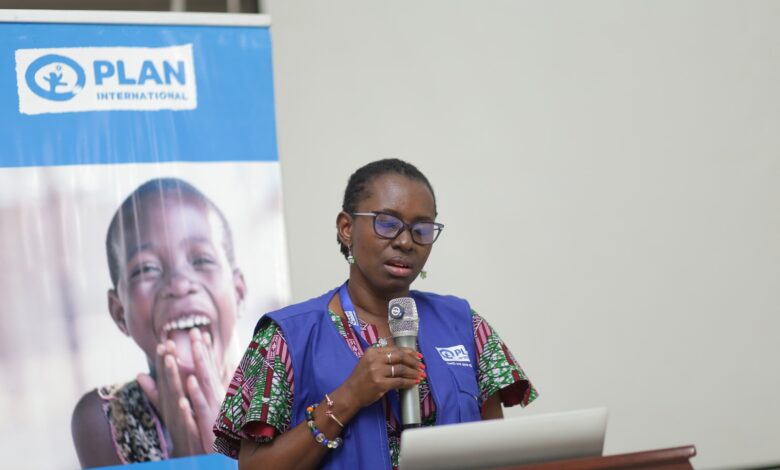
Project Manager for the Renewed Women’s Voice and Leadership (RWVLG) project at Plan International Ghana, Madam Theodora Asare, says women’s rights movements are key drivers of legal and policy change.
According to her, women’s rights organisations and movements are the primary engines behind most transformative legal and policy reforms in the country.
Madam Asare highlighted the historic role these groups have played in securing landmark legislation. She credited the advocacy of women’s movements for the passage of the Domestic Violence Act of 2007, the ratification of the Maputo Protocol, and the ongoing progress toward the Affirmative Action Gender Equity Act.
“Women’s rights organisations have been instrumental in shaping policies and raising awareness about gender-based violence,” she noted.
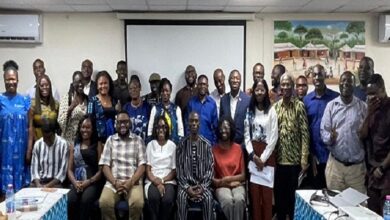
Taking participants through the 9.4 million Canadian dollar RWVLG initiative at the 2026 Plan International Ghana’s media training at Koforidua, held under the theme Journalism with Purpose Reporting Responsibly on Children, Gender Equality and Vulnerable Communities, Madam Asare said the RWVLG intervention is geared towards the strengthening of women’s rights organisations and women human rights defenders across the country.

She emphasized that the six-year RWVLG project, funded by Global Affairs Canada, aims to further strengthen these movements by providing flexible financing and capacity building to 120 women’s rights and youth-led organisations across all 16 regions of Ghana.
Key pillars of the RWVLG initiative include:
Core Funding: Providing multi-year support to allow organisations to deliver on their gender equality mandates sustainably.
Movement Strengthening: Bolstering feminist networks such as the Network for Women’s Rights in Ghana (NETRIGHT) to drive large-scale social change.
Inclusive Advocacy: Reaching structurally excluded groups, including women and girls with disabilities and young feminists.
Madam Asare concluded that while Ghana has made strides, entrenched gender norms continue to hinder the full enjoyment of human rights by women and girls. She urged stakeholders to remain resolute in supporting these movements as they continue to push for a more equitable legal landscape.
Beyond the Renewed Women’s Voice and Leadership Project, Plan International Ghana continues to implement other initiatives, including the Youth Accelerator for Change Project, the Education Outcomes Project, the IPADEV and Soapeya projects, the Digital Skills Project, and the Rooting for Change Project, all aimed at strengthening child protection, youth empowerment, education, and community resilience.
Plan International has operated in Ghana since 1992 and works in more than 80 countries globally, supporting children, particularly the most marginalized, to exercise their rights and reach their full potential