Ghana’s Food insecurity rose from 35.3% in Q1-2024 to 38.1% in Q3 of 2025 – Statistical Service
Ghana's Food insecurity rose from 35.3% in Q1-2024 to 38.1% in Q3 of 2025 – Statistical Service

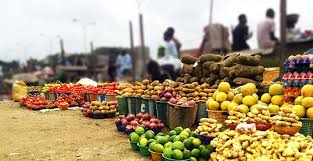
The rate then declined to 38.1% in the 2025 quarter from the 2024 first quarter to the 2025 third quarter. Moderate food insecurity was higher in female-headed households.

According to Dr Alhassan, the numbers show progress, but they also show vulnerability.
While the number of food-insecure people has declined, risks remain high in specific regions, among female-headed households, and in families with children, he said.

The strong links between food insecurity, child nutrition, poverty, and employment remind us that this challenge cuts across sectors.

This report was produced to inform action. It supports Ghana’s development priorities and Sustainable Development Goal 2, and provides evidence that can be used by policymakers, businesses, civil society, development partners, researchers, and communities to target interventions where they matter most.

“Behind every statistic is a household that shared its experience. I, therefore, extend sincere appreciation to the households who provided data, the field staff who collected it across the country, the Government of Ghana and the World Bank for financial support, and the dedicated staff of the Ghana Statistical Service who worked tirelessly to produce timely and credible results.

“I also acknowledge all partners and stakeholders who contributed in diverse ways to this work. Reliable data help us see clearly, act early, and use resources wisely.
“At GSS, we remain committed to producing statistics that serve the public good and support evidence-based decisions. I invite you to engage with the data, share the evidence, and use it to drive informed dialogue and practical solutions.”