World Vision Ghana Demands Bold Action on Toilets and Sanitation Education
World Vision Ghana Demands Bold Action on Toilets and Sanitation Education

With over six million Ghanaians still lacking access to basic toilet facilities, World Vision Ghana (WVG) is sounding the alarm for urgent, nationwide action to end open defecation.
Marking this year’s World Toilet Day, the humanitarian organisation called on the government, private sector players, and traditional leaders to pair sustained financial investment in sanitation infrastructure with aggressive public education campaigns.
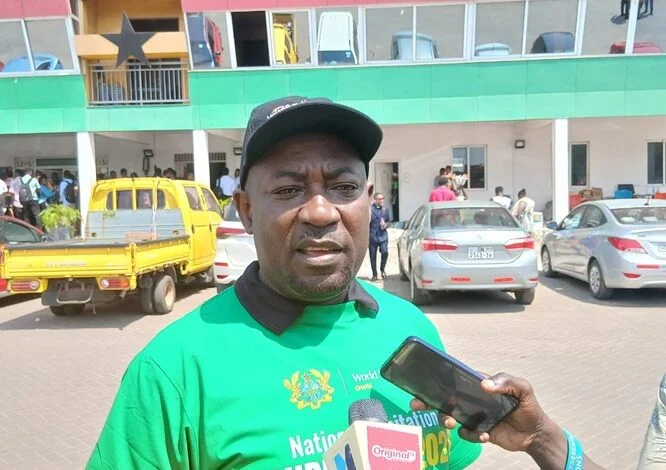
Speaking during a lively public sensitisation campaign organised by World Vision Ghana in collaboration with the Ministry of Local Government and Religious Affairs to mark this year’s World Toilet Day in Accra yesterday, Mr. Yaw Attah Arhin, WVG’s Water, Sanitation, and Hygiene (WASH) Innovations and Partnership Specialist, emphasised that building toilets alone will not solve the crisis unless attitudes change alongside them.
“A toilet is not a luxury; it is a fundamental human right and a frontline defence against disease,” Mr. Arhin noted, adding that poor sanitation continues to drive preventable illnesses like cholera and typhoid and undermine school attendance, especially for adolescent girls.
According to figures highlighted by WVG’s WASH Innovations and Partnership Specialist, the country faces a steep climb to achieve universal sanitation coverage:
Data available shows that over 6.13 million Ghanaians still practise open defecation daily. 26% of public basic schools operate without improved toilet facilities. At the same time, 84% of healthcare facilities fall short of basic sanitation standards.
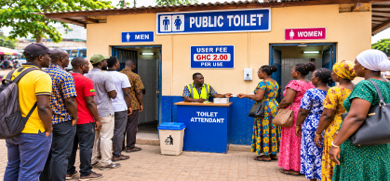
To close this gap, WVG is advocating for innovative financing models and stronger public-private partnerships to construct and maintain clean, accessible toilets in homes, schools, clinics, and busy transport hubs.
At the same time, the organisation is urging local assemblies and community leaders to step up grassroots education, encouraging families to invest in affordable household latrines rather than waiting solely on state intervention.
The appeal forms a core pillar of World Vision Ghana’s 2026–2030 WASH Business Plan, an ambitious five-year roadmap designed to deliver improved sanitation to 343,000 people and safe drinking water to more than 700,000 residents across 23 districts nationwide.
As commuters and market traders in Accra pledged their support during the public educational outreach, WVG’s message remained clear: achieving a cleaner, healthier Ghana requires both bricks-and-mortar investment and a shared commitment to dignity in every community.